
Selecting the perfect solar panel setup for your generator is crucial for harnessing sustainable energy efficiently. By understanding your power needs, generator compatibility, and the types of solar panels available, you can create a reliable energy source that meets your demands. This guide covers essential factors, including calculating energy use and exploring innovative options like Anker SOLIX bundles, to ensure you make an informed decision. Whether you need portable solutions for camping or fixed systems for home use, the right configuration will provide dependable energy when it matters most.
Understand Your Power Needs and Generator Compatibility
Evaluating your power requirements and how they align with generator specifications is essential. This involves assessing daily energy consumption and understanding the peak load demands of your appliances, especially when the system is designed to charge and support a dedicated solar battery bank for stored energy use.
Calculating Daily Energy Use and Peak Load Requirements
Begin by identifying the appliances and devices you intend to power with your generator. Calculate the total wattage each item uses and estimate the duration of use in hours per day. Use the formula: Total Energy Use (Wh) = Appliance Wattage × Hours Used Per Day. Determine peak load by identifying the appliance with the highest draw, as it influences the minimum generator capacity needed. This calculation helps in choosing a generator and solar panels that can efficiently sustain your energy needs, minimizing load stress and optimizing energy availability.
Matching Battery Capacity, Input Limits, and Panel Output
Compatibility between solar panel output, battery capacity, and generator input limits is vital. An optimal setup involves solar panels that can fully charge batteries without exceeding input limits, ensuring safe and efficient energy transfer. Assess your battery’s storage capacity (Ah) and the input capabilities of your generator; choose solar panels with output wattage that complements these specifications. This synchronization guarantees that your system operates at peak efficiency, lengthens battery life, and provides consistent energy access even during high-demand periods.
Selecting the Right Solar Panels for Efficient Charging
Choosing the right solar panels involves examining the types, wattage, and efficiency ratings to ensure compatible and effective energy collection.
Panel Types, Wattage, and Efficiency Ratings Explained
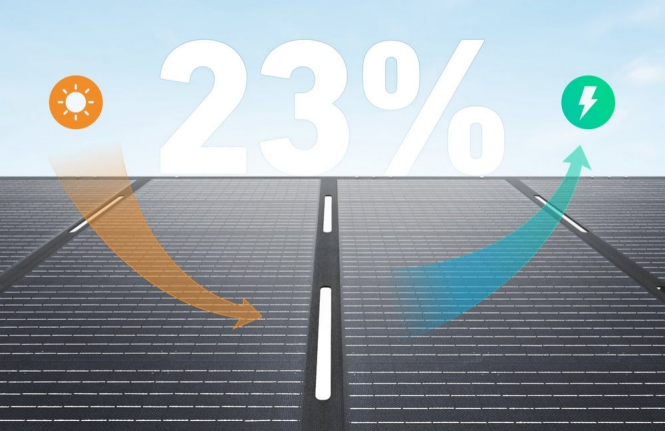
Solar panels come in three main varieties: monocrystalline, polycrystalline, and thin-film. Monocrystalline panels, known for high efficiency and durability, are ideal for performance in limited spaces. Consider wattage and efficiency ratings: higher wattage panels collect more energy, while efficiency ratings indicate how well a panel converts sunlight into electricity. Panels like Anker’s PS200 offer high conversion efficiency of up to 23%, charging faster and maximizing energy capture in varying sunlight conditions.
Portable Solar Panel Setups vs Fixed and Expandable Systems
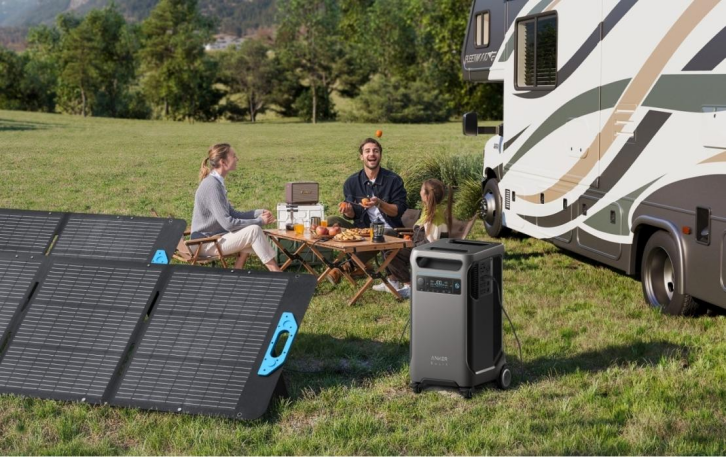
Choosing between portable and fixed setups depends on your mobility needs and energy goals. Portable systems are lightweight and easy to set up, perfect for camping or temporary sites. Conversely, fixed or expandable systems, attached to rooftops or structures, provide a constant energy stream, ideal for home or business use. Expandable systems allow additional panels, accommodating increased energy requirements over time. Assess your energy needs and lifestyle to select the system that best supports your objectives, ensuring consistent energy access regardless of location.
Building an Efficient and Reliable Solar Panel Setup
Constructing a dependable solar setup entails accurate panel sizing for optimal energy generation while considering innovative solutions like Anker SOLIX.
Sizing the Number of Panels for Faster and Stable Charging
Calculate the number of solar panels required by considering your total daily energy consumption and panel output. For instance, if your daily usage is 1,200Wh and you have panels generating 200W each, divide your needs by panel output to determine you need six panels for full coverage. This sizing method ensures you generate sufficient energy to meet daily demands and maintain battery life. It also reduces downtime, allowing for reliable power when conditions or use demand increase.
Benefits of Integrated Systems Like Anker SOLIX Bundles
Anker SOLIX bundles combine high-efficiency solar panels with robust generators, offering a sleek solution for energy independence. Their PS200 Solar Panel achieves up to 23% conversion efficiency, powering devices 1.5× faster. With a 1.8-hour solar recharge and durable 10-year InfiniPower warranty, these integrated systems are built for rapid setup and sustained usage. After 4,000 cycles, batteries maintain 80% capacity, providing reliable, off-grid power with minimal maintenance. Such systems are perfect for users seeking a simple, powerful, and future-ready energy solution.
Conclusion
Choosing the right solar panel setup for your generator involves careful assessment of power needs, system compatibility, and panel efficiency. By understanding how to calculate energy use and match system components, you can select a setup that offers reliable energy when needed. Consider panel types, installation styles, and innovative options like Anker SOLIX for a dependable, integrated energy solution. With the right configuration, you’re equipped to meet energy demands effectively, ensuring sustainability and independence from traditional power sources.