
Introduction
Gamers continually seek ways to enhance their gameplay through familiar and preferred controllers. By connecting an Xbox controller to a Nintendo Switch via Bluetooth, players can indulge in the enhanced ergonomic feel of the Xbox controller while enjoying Switch games. This comprehensive guide provides feasibility insights, step-by-step instructions, potential challenges, and advantages for setting up this wireless connection effectively, ensuring that you have all the information needed for a smooth and seamless gaming experience.
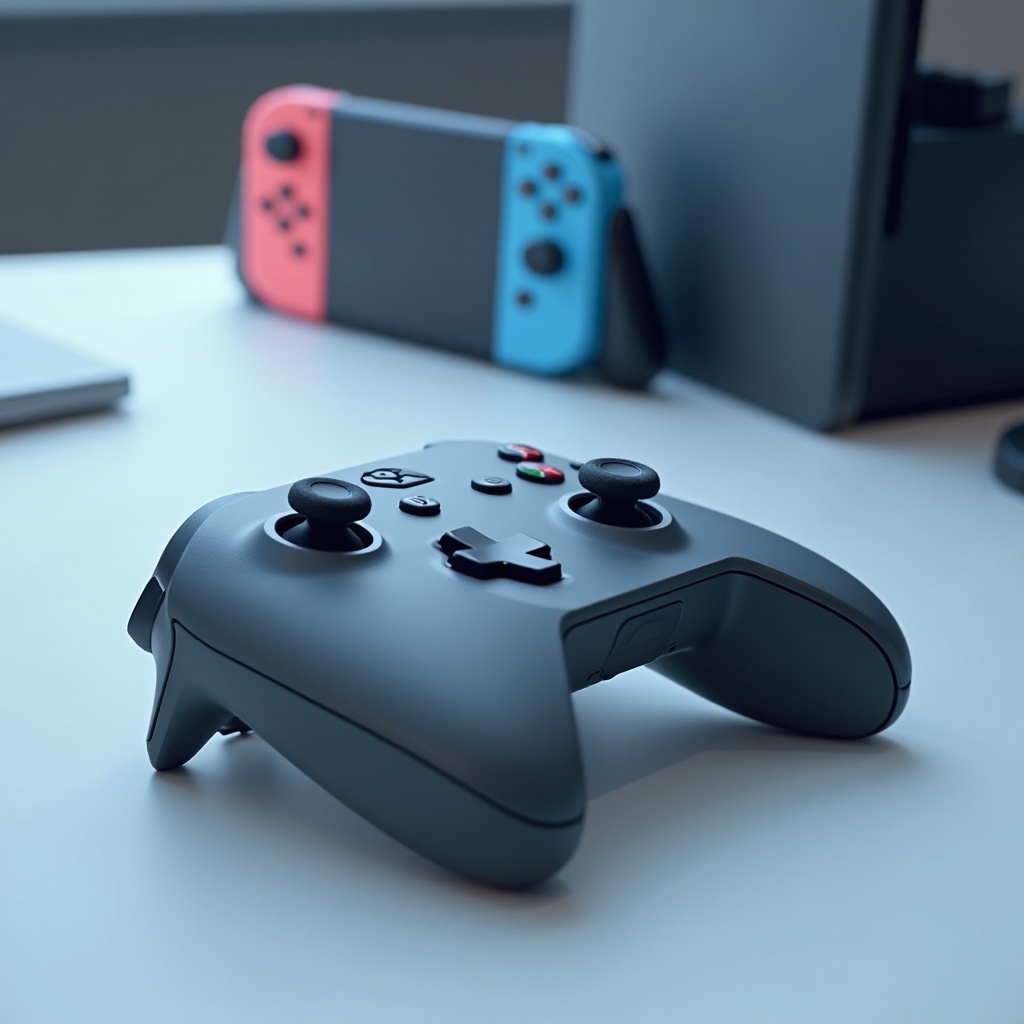
Understanding Controller Compatibility
Before connecting an Xbox controller to a Nintendo Switch, understanding the wireless operations of each device is crucial. Xbox controllers employ Bluetooth Low Energy (BLE) technology for wireless connectivity, which aligns with the Switch’s support for Bluetooth connectivity. However, each manufacturer typically designs these devices with proprietary alignments, often leading to hurdles when connecting between systems like Xbox and Nintendo.
The Xbox controller’s ergonomics and responsiveness make it popular among players. It uses Bluetooth technology, allowing it to pair with devices like the Switch, which also supports Bluetooth for its Joy-Cons and Pro Controllers. However, understanding these differences sets the groundwork for successful cross-platform functionality and potential compatibility adjustments.
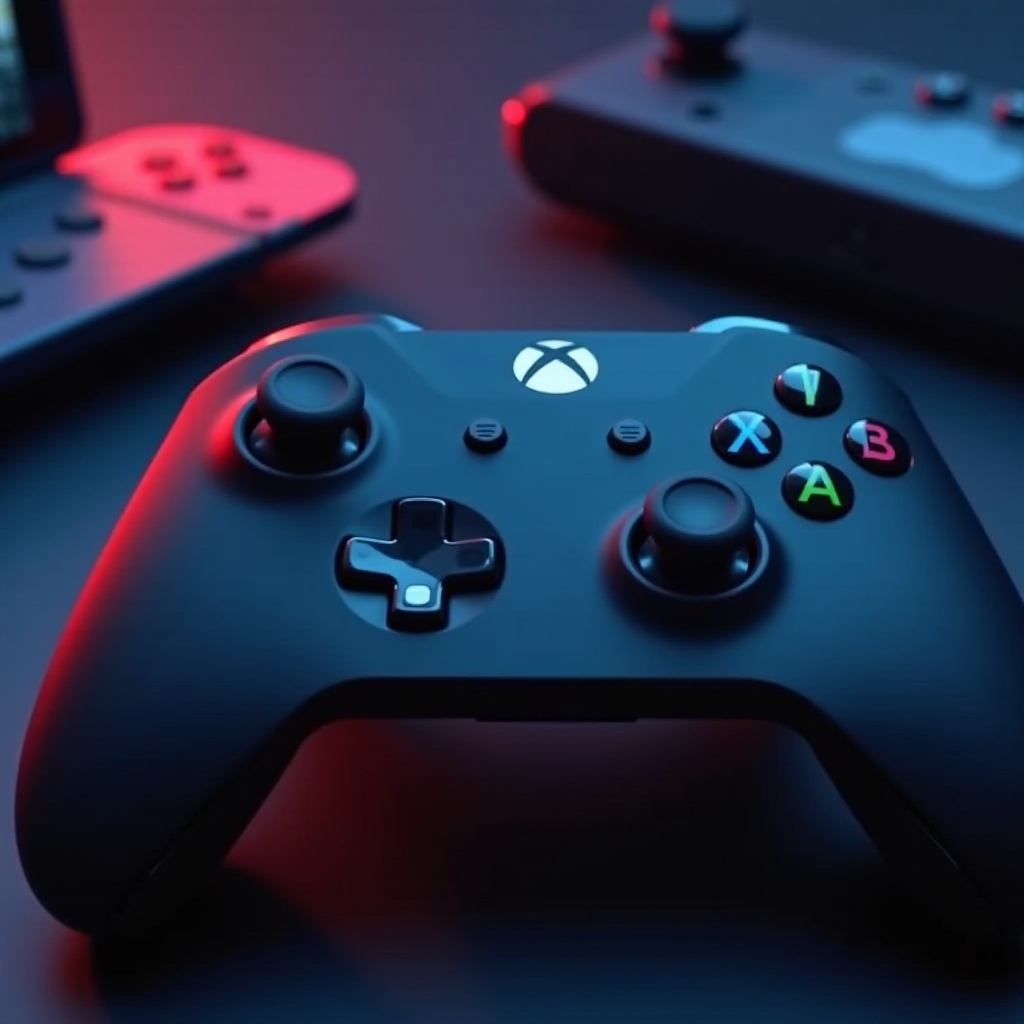
Necessary Equipment and Preparations
To begin, gathering the right equipment is essential for connecting your Xbox controller to a Nintendo Switch. Here’s a quick checklist:
- Ensure your Xbox controller supports Bluetooth, as earlier models might lack this feature.
- Verify that your Nintendo Switch console is updated to the latest firmware version.
- Consider having a Bluetooth adapter handy if initial connection attempts face obstacles. Though not always necessary, some configurations perform more effectively with additional support.
Once you’ve confirmed compatibility and gathered your tools, prepare the Xbox controller by checking the battery level to avoid disruptions and ensuring it is unpaired from other devices to prevent conflicts during the pairing process.
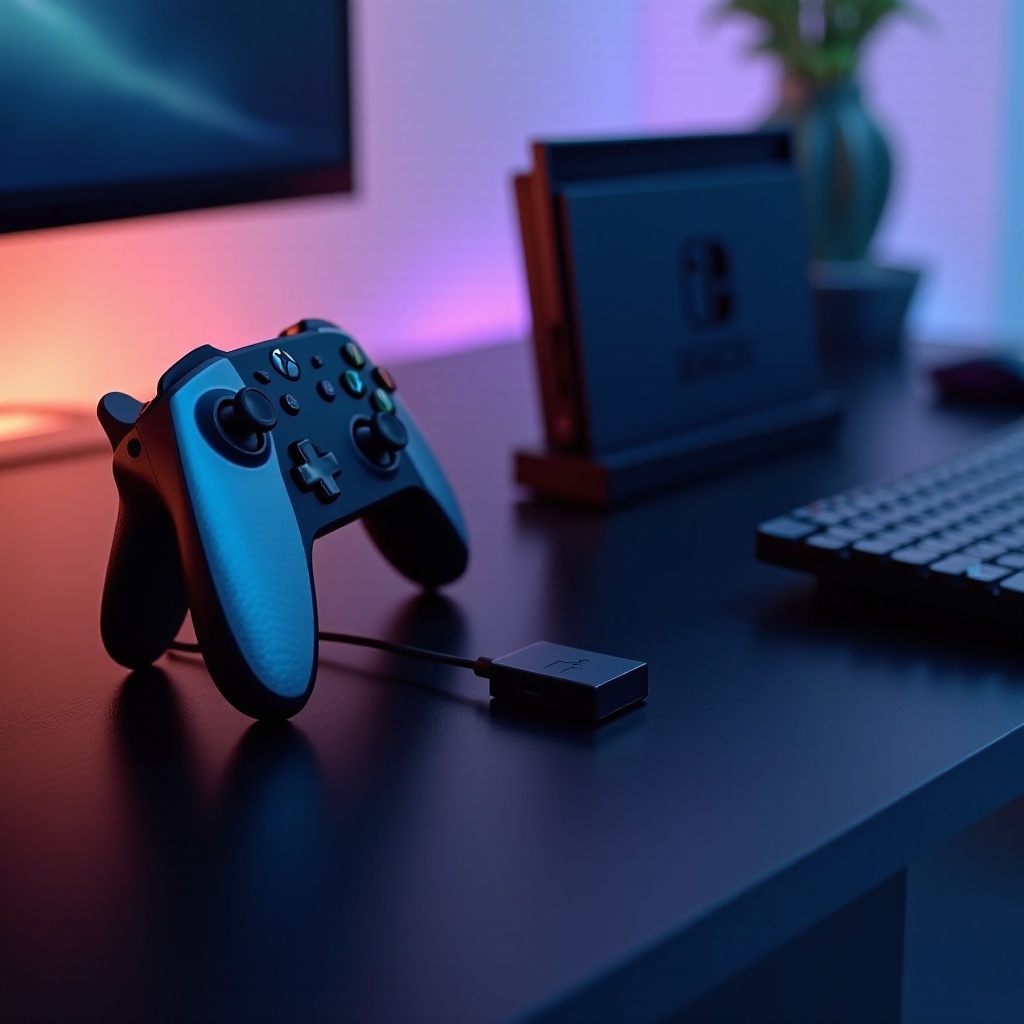
Step-by-Step Connection Process
Having set the stage with proper preparations, you can now proceed with connecting your Xbox controller:
- Activating Bluetooth on Xbox Controller:
- Power your Xbox controller by pressing the Xbox button until it lights up.
-
Enter pairing mode by holding the pair button until the Xbox button begins flashing.
-
Setting Up Switch to Recognize New Devices:
- On your Nintendo Switch, go to ‘System Settings.
- Select ‘Controllers and Sensors.
-
Make sure ‘Pro Controller Wired Communication’ is enabled to allow new devices.
-
Finalizing the Connection:
- Access Bluetooth pairing mode on the Switch through additional settings.
- Select your Xbox controller from the list, often named ‘Xbox Wireless Controller.
- A steady Xbox button light indicates a successful connection.
In cases where the connection isn’t initially successful, proximity between devices plays a crucial role, so consider repeating these steps while ensuring devices are close to minimize interference.
Troubleshooting Common Issues
Even with meticulous adherence to steps, connectivity issues may arise. Here’s how to troubleshoot common problems effectively:
-
Connection Failures: Restart both devices and reattempt the process, ensuring all other Bluetooth devices disconnect to avoid interference.
-
Button Mapping Problems: Different systems might experience issues with button layouts. Consider using software tools to remap your controller settings for better functionality.
-
Signal Interference: Ensure minimal Bluetooth traffic by isolating the Switch and controller as much as possible or using an adapter as a buffer for stronger signals.
Advantages and Disadvantages
Opting to use an Xbox controller with a Nintendo Switch offers specific advantages. Players familiar with the Xbox design report enhanced comfort during longer gaming sessions. The controller’s responsiveness can also provide a competitive edge in certain games.
However, users must consider potential drawbacks. Some lag in input may occur without additional software support. The controllers’ limited button mapping with the Switch could also lead to awkward or reduced functionalities in games.
This balance of pros and cons is pivotal in determining whether this cross-platform setup aligns with your gameplay preferences and enhances your overall gaming experience.
Conclusion
Exploring the potential of using an Xbox controller with a Nintendo Switch via Bluetooth can introduce versatile and comfortable gaming possibilities. While initial setup may require comprehensive efforts, the result often provides an enriched gaming experience blending two different worlds. Keep your devices updated and explore potential software solutions to enhance connectivity. Equipped with this guide, you are ready to try this innovative setup and enjoy seamless, cross-platform gaming entertainment.
Frequently Asked Questions
Can you use other controllers with the Nintendo Switch?
Yes, the Nintendo Switch can connect with various Bluetooth or third-party controllers, each potentially requiring specific adapters or software for full functionality.
What do I do if my Xbox controller won’t connect to the Switch?
Ensure your Xbox controller is in pairing mode and disconnect any other Bluetooth devices. Restart both the controller and Switch, and consider resetting Bluetooth settings or using a Bluetooth adapter.
Is there a significant input lag when using an Xbox controller on the Switch?
Input lag may occur due to Bluetooth latency, which varies by setup. Testing different configurations and using adapters can help minimize lag.